SVEN
The app is free

Find the places on the map, check in and collect badges.

Architectural style · c. 1880–1910

Neo-Baroque

Nybarock

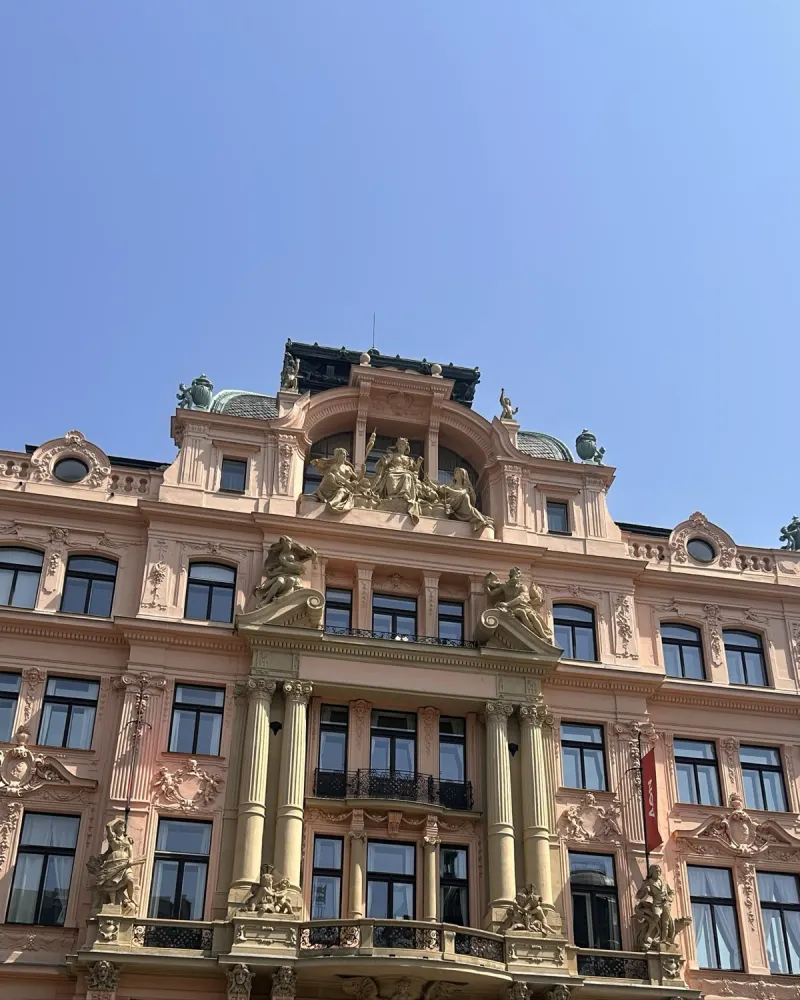
The most theatrical style of the turn of the century. Domes, columns and sculpture – for a nation keen to show itself off.

The style in timeDrag to travel in time

  1. Zigguratc. 2200–500 BC
  2. Ancient Greek architecturec. 700–30 BC
  3. Roman architecturec. 500 BC–AD 400
  4. Nabataean architecturec. 300 BC–AD 106
  5. Byzantine architecturec. 330–1453 in the Eastern Roman Empire
  6. Moorish architecture8th–15th century in al-Andalus and North Africa
  7. Carolingian architecturec. 780–900 in the Frankish Empire
  8. Novgorod and Pskovc. 1045–1600 in north-western Russia
  9. Norman architecturec. 1050–1200
  10. Romanesquec. 1050–1250
  11. Mudéjarc. 1100–1600
  12. Gothicc. 1235–1530
  13. Brick Gothicc. 1250–1530
  14. Late Gothicc. 1400–1530
  15. Manuelinec. 1490–1530
  16. Renaissancec. 1520–1650
  17. Palladian architecturec. 1550–1800
  18. Dutch Renaissancec. 1560–1650 in the Netherlands and Flanders
  19. Baroquec. 1640–1730
  20. Carolean Baroquec. 1680–1720
  21. Georgian architecture1714–1830
  22. Rocococ. 1730–1775
  23. Neoclassicismc. 1750–1850
  24. Gustavianc. 1772–1810
  25. Karl Johan stylec. 1810–1850
  26. Victorian architecture1837–1901
  27. Gothic Revivalc. 1840–1910
  28. Historicismc. 1840–1900
  29. Industrial architecturec. 1850–1950
  30. Neo-Renaissancec. 1850–1900
  31. Swiss chalet stylec. 1850–1900
  32. Landshövdingehus1875–1945
  33. Neo-Baroquec. 1880–1910
  34. Beaux-Artsc. 1830–1920
  35. National Romanticismc. 1890–1920
  36. Art Nouveauc. 1896–1914
  37. Art Decoc. 1910–1940
  38. 1910s Neoclassicismc. 1910–1920
  39. Bauhaus1919–1933
  40. Swedish Gracec. 1920–1930
  41. Functionalismc. 1930–1950
  42. Socialist classicismc. 1933–1955
  43. Post-war Swedish modernismc. 1940–1960
  44. Brutalismc. 1950–1975
  45. The Record Yearsc. 1955–1975
  46. The Million Programme1965–1974
  47. DeconstructivismFrom the 1980s
  48. Postmodernismc. 1980–1995
  49. LonghouseStone Age to Viking Age
  50. Log houseThe Middle Ages onwards
  51. Raised storehouseIron Age to 20th century
  52. Swedish vernacularc. 1600–1900
  53. Croft and cottagec. 1700–1900
  54. Decorated farmhouses of Hälsinglandc. 1700–1900
  55. Half-timberingThe Middle Ages to the 19th century
  56. Sámi goahtiFrom prehistory to the present day
  57. Seljuk architecturec. 1040–1300
  58. Persian architectureIran
  59. British Colonialc. 1700–1950 in the British Empire

01. Curtain up

Towards the end of the 19th century, the great public buildings want even more weight than Neo-Renaissance can give. The model becomes the Baroque, with domes, giant columns and rich sculpture.

The Royal Opera in Stockholm, designed by Axel Anderberg, opens in 1898 and draws much of its inspiration from the Paris Opéra. The Riksdag building on Helgeandsholmen, opened in 1905, breathes the same air.

Neo-Baroque also dresses bank palaces and apartment blocks – sometimes so swelling that it merges with Art Nouveau. Art Nouveau Baroque, they call it. Gustaf Wickman's Skånebank on Fredsgatan, 1899, is a textbook example.

Why Baroque? It recalls Sweden's age of greatness, and right in the middle of Stockholm stands Tessin's palace – the obvious model for anyone building nearby, as Isak Gustaf Clason does with the Brandstod company's building on Skeppsbron. But the Baroque has a downside too. Developers use swelling bay windows and roof shapes to squeeze in more profitable square metres, and architects sniff at "apartment-block Baroque". Around 1910 a stricter variant takes over: the Carolean Baroque, with high hipped roofs and large multi-paned windows. It becomes the bridge to the 1920s.

02. How to spot it

03. The giveaway

The giant order. Columns or pilasters stretching through two or three storeys on a building from the 1890s – that is Neo-Baroque.

Read the façade

  1. Lantern
  2. Bull's-eye in the dome
  3. Volutes
  4. Giant order
  5. A pediment over the door

04. Architects and builders

  • Axel Anderberg
  • Aron Johansson

05. Where to see it

  • The Royal Opera, Stockholmopened 1898
  • The Riksdag building, Stockholmopened 1905
  • Skånebanken, Fredsgatan, StockholmGustaf Wickman, 1899
  • Gustaf Vasa Church, StockholmAgi Lindegren

06. In the app

2 places in this style in Everyday Grandeur, added by the app's users. Tap a place to see it on the map.
07. Often confused with

Baroque. Genuine Baroque dates from the 17th and early 18th centuries. If it looks Baroque but stands in a district built in the 1890s, it is Neo-Baroque.

Sources

  • Svenska kyrkan, Folkungabygdens församling: "Stilar och epoker"
  • Swedish Wikipedia: "Kungliga Operan", "Riksdagshuset i Stockholm"
  • Eva Eriksson: "Arkitekturen i Stockholm kring sekelskiftet 1900 – form, idéer och influenser", i Heikki Ranta (red.): Internationellt, nationellt, lokalt (Länsstyrelsen Gotlands län, 2005)

Neo-Baroque around the corner

Everyday Grandeur is a living map of the heritage in your everyday life. Find the style near you, check in and collect badges – free for iPhone and Android.